


Weekend Binge Drinking: Can It Still Be Alcohol Addiction?
Published: 10 February 2026 in Alcohol Addiction
Weekend binge drinking is one of the most common and also least questioned patterns of alcohol use in the UK.
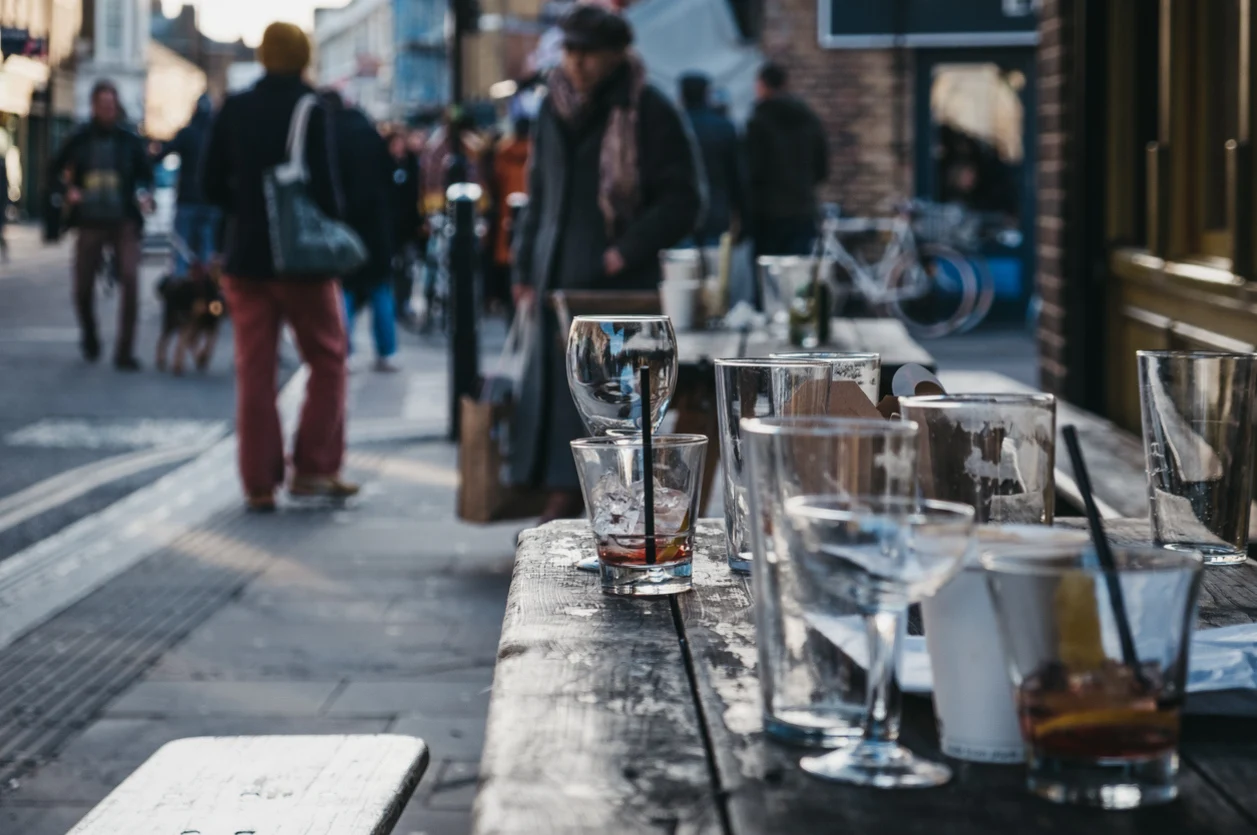
People who binge drink will consume little or even nothing during the working week, then consume large amounts of alcohol on Friday and Saturday nights. Because alcohol use is limited to the weekend, people often view it as just a harmless and normal way to socialise.
However, from a clinical and behavioural perspective, weekend binge drinking can still be a form of alcohol addiction.
Alcohol problems are not just defined by how often someone drinks. They are defined by loss of control, psychological reliance, and continued use despite negative consequences. For many people, these issues show up most clearly at the weekend.
What is Weekend Binge Drinking?
Weekend binge drinking is referring to consuming a high volume of alcohol over a short period. And in the UK, binge drinking is usually described as consuming more than:
- 6 units in a single session for women
- 8 units in a single session for men
For many people, it’s easy to go over this, and quickly. A few pints after work on a Friday can turn into a late night, followed by heavy drinking again on Saturday.
What matters clinically is not just how much is consumed, but how predictable the pattern becomes over time for you personally.
Why Does Problematic Weekend-Only Drinking Often Go Unnoticed?
The answer to this is that it fits within our social norms. Drinking at weekends is expected and also encouraged, with 33.3% of the population in London engaging in heavy episodes of drinking. This makes London one of the highest rates of binge drinking behaviour in the UK.
People who drink heavily on weekends may still:
- maintain employment
- meet family responsibilities
- avoid alcohol during the working week
This stability from the outside can make it easy to dismiss concerns, even when internal warning signs are there.
Can You Be Addicted If You Only Drink at Weekends?
Yes. Alcohol addiction does not require daily drinking.
From a diagnostic perspective, addiction is about control and compulsion. Someone who drinks only at weekends may still experience:
- strong urges to drink as the weekend approaches
- Repeated failed attempts to limit intake
- difficulty stopping once drinking has started
In many cases, the working week provides structure that temporarily suppresses drinking, rather than resolving the underlying problem.
This is one reason weekend binge drinking can persist for years without being recognised as a problem.
What’s the Impact of Weekend Binge Drinking on Your Mental Health?
The effects of weekend binge drinking on mental health are underestimated. Physical recovery may take a day or two, but mental effects can persist throughout the week.
Many people describe a cycle that looks something like this:
- By Sunday or Monday, there is regret, anxiety, or low mood.
- Midweek is spent recovering and promising moderation next time.
- By Friday those concerns you had feel distant and drinking resumes as planned.
Within this cycle, alcohol begins to serve a specific purpose which is:
- emotional release
- stress management
- social confidence
When alcohol becomes the way you achieve these states, dependency can develop even without drinking daily.
Are There Any Health Risks Linked to Weekend Binge Drinking?
Binge drinking can put a big strain on the body. Large volumes of alcohol consumed in a short time can increase the risk more than smaller amounts spread evenly.
Health concerns associated with weekend binge drinking include anything from liver inflammation and long-term liver damage and disrupted sleep, to increased blood pressure and heart strain aswell as heightened anxiety and depressive symptoms.
It is a common but also a dangerous misconception that the body recovers fully simply because alcohol use is limited to weekends.
Can Weekend Binge Drinking Escalate?
Yes, and patterns of weekend binge drinking often change gradually. What starts as occasional excess can become routine, then expected.
Escalation may involve:
- starting earlier in the day
- drinking across more days of the weekend
- needing more alcohol to feel the same effect
You might find yourself trying to regain a sense of control over drinking, but finding it difficult. And this loss of control is usually when people start to face the realisation that there might be a problem.
Are You Physically Dependent on Alcohol If You Binge Drink?
Not always. Many people with problematic weekend binge drinking do not experience physical withdrawal symptoms.
Dependence can be psychological. This can include feeling strong cravings approaching the weekend, restlessness without alcohol or feeling unable to enjoy social situations sober.
These signs might seem small but they are clinically significant and should not be dismissed simply because drinking is intermittent.
When to Seek Help for Weekend Binge Drinking
Support may be appropriate if weekend binge drinking feels distressing, difficult for you to control.
Professional help is often considered when:
- attempts to cut down repeatedly fail
- alcohol use affects mental health or relationships
- weekends revolve around drinking rather than choice
- there is concern about long-term health
Treatment depends on the severity and impact of the drinking pattern. Not everyone requires residential rehab, but some do.
Treatment may include assessment, structured outpatient support, therapy, or residential treatment where appropriate. There are many different options.
Need Support? Reach Out Today
Weekend binge drinking is often minimised because it does not match outdated stereotypes of alcohol addiction. But if alcohol is starting to dominate weekends, feels increasingly necessary, or is becoming harder to manage, it is worth taking seriously.
At Alcohol Rehab Services London, we provide a specialist alcohol referral service that assesses individual needs and connects people with suitable rehab options in London. This service is also provided free of charge. For more information, call us on 02038242842 today.